



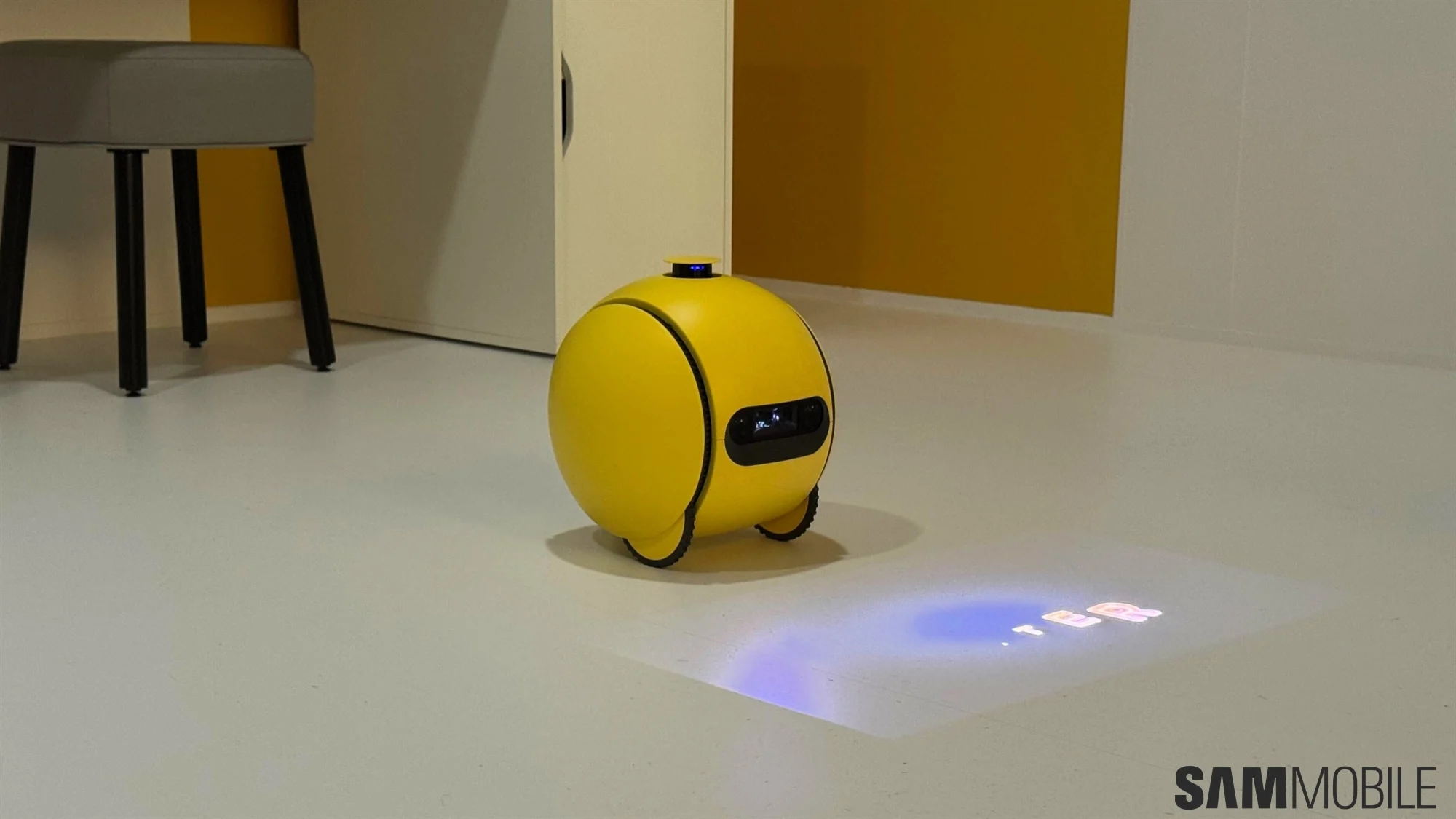
Samsung Ballie at CES 2026: The Rolling Home Robot Gets Smarter
Quick take: Ballie is back in the spotlight at CES 2026, and this time the pitch is less “cute concept” and more “practical home autonomy.” Samsung is positioning Ballie as a mobile smart-home companion that can move where your sensors aren’t, act as a roaming interface for the home, and deliver contextual help that fixed speakers can’t.
What Ballie is (and why it matters)
Ballie is Samsung’s small rolling robot designed to act as a moving hub around your home. Unlike a smart speaker that’s anchored to one room, a rolling device can follow you, observe changing conditions, and respond to what’s happening in real time—whether that’s lighting, door status, temperature, or a “did I leave something on?” situation.
In theory, a home robot bridges a gap that exists in many smart homes today: we have lots of devices, but we still spend time controlling them manually. Ballie’s promise is that it can become a proactive layer—moving to where it’s needed and offering help before you ask.
What’s confirmed from CES 2026 announcements
- Deeper smart-home integration: Ballie is framed as a controller and assistant for smart devices, not just a novelty robot.
- Contextual assistance: Expect routines that adapt based on presence, time of day, and what’s happening in the home.
- Practical autonomy: The messaging is clearly shifting toward real use cases—checking rooms, nudging reminders, and acting as a mobile “status dashboard.”
How Ballie could change daily smart-home life
Most smart homes still suffer from “dashboard fatigue.” You can control everything—but only if you open the right app, find the right screen, and remember the device name. A mobile robot can reduce that friction by meeting you where you are and presenting only what’s relevant in the moment.
For example:
- Night routine: Ballie detects you heading to bed and verifies doors are locked, lights are off, and the thermostat is set.
- Remote check-in: You’re out—Ballie patrols specific rooms and reports back if something looks unusual (subject to privacy controls).
- Family assistance: Reminders for medication schedules, calendars, and location-based prompts (again: only if the user opts in).
Privacy and security: the real make-or-break
Any robot that moves around your home immediately raises questions: What data is captured? Where is it processed? How long is it stored? Can you disable cameras/mics? A “home autonomy” product only works if users trust it.
If Samsung wants Ballie to be more than a CES headline, privacy controls must be:
- Transparent: clear indicators when sensors are active
- Configurable: per-room and per-time privacy settings
- Local-first when possible: on-device processing for sensitive tasks
- Secure by default: strong account security and encrypted communications
Where Ballie fits in the 2026 smart-home landscape
Smart homes in 2026 are moving toward fewer “point gadgets” and more unified experiences. Consumers want devices that work together without constant maintenance. Ballie’s potential advantage is being a moving interface that can bring coherence to a multi-vendor home—especially if Samsung keeps compatibility broad.
Should you care (or wait)?
If you love smart-home automation, Ballie is one of the most interesting “next-step” ideas because it tries to reduce friction rather than add another app-controlled gadget. But the difference between a product and a concept is reliability, price, and long-term support.
Buyer advice: If Samsung announces consumer availability and pricing, the smartest move is to wait for real-world reviews focused on privacy controls, navigation reliability, and smart-home compatibility.