CES 2026 Έξυπνες Κλειδαριές: Η στροφή προς την είσοδο στο σπίτι χωρίς χέρια
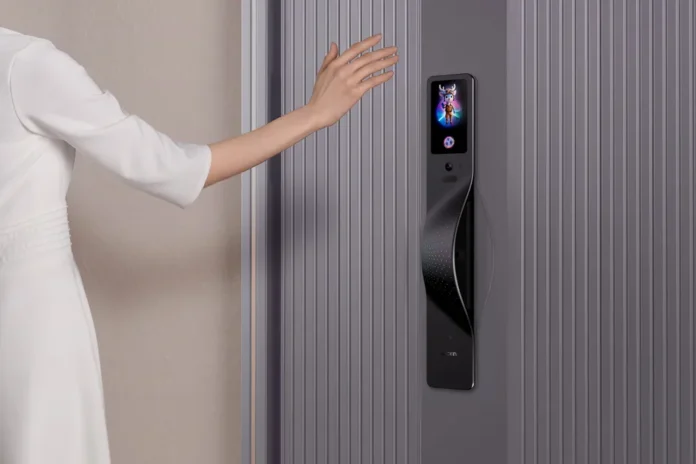
Trendline: CES 2026 makes one thing clear: smart locks are moving beyond “phone unlock” and toward truly hands-free entry—while trying to stay secure, auditable, and family-friendly.
What “hands-free” really means in 2026
Hands-free entry doesn’t just mean unlocking without a key. It’s a bundle of improvements:
Smarter presence detection: recognizing when an authorized person is near the door
Better alerts: fewer noisy notifications; more relevant “this matters” events
Cleaner integrations: locks that actually cooperate with lights, cameras, and alarms
Reliability upgrades: faster response, longer battery life, clearer status indicators
The security tradeoff: convenience vs control
Every time a lock becomes “easier,” it risks becoming “looser.” The best direction at CES 2026 is not unlocking by default, but unlocking intelligently—paired with strong fallback options and transparent logs.
Look for these features to separate serious locks from flashy demos:
Activity logs: who unlocked and when
Granular permissions: temporary codes for guests, deliveries, cleaners
Two-factor for critical changes: especially for adding new users
Offline operation: lock should still work even if Wi‑Fi goes down
Matter and interoperability: what to watch
As Matter adoption grows, buyers increasingly expect a lock to work across ecosystems. The question isn’t only “Does it support Matter?” but “Which features are exposed through Matter vs locked to a vendor app?”
Practical advice: If you care about cross-platform control, confirm which functions work in your preferred platform (Google, Apple, Amazon, Samsung) and which require the manufacturer’s app.
Buying checklist for 2026
Power strategy: how it alerts you before battery dies
Physical override: key backup or protected emergency method
Weather resistance: especially for exposed doors and humid climates
Bottom line: CES 2026 smart locks are getting more seamless, but the best products are the ones that keep the user in charge—through logs, permissions, and predictable behavior.
Samsung Ballie στο CES 2026 — Το ρομπότ που «κυλάει» μέσα στο σπίτι γίνεται πιο χρήσιμο
Γρήγορη παρατήρηση: Samsung Ballie στο CES 2026 — Το ρομπότ που «κυλάει» μέσα στο σπίτι γίνεται πιο χρήσιμο
Τι είναι η Ballie (και γιατί έχει σημασία)
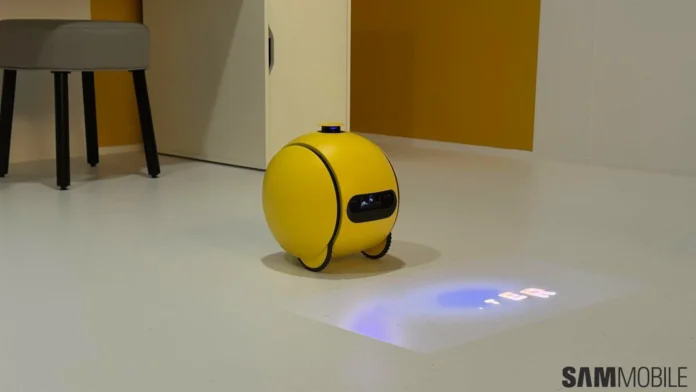
Το Ballie είναι το μικρό ρομπότ με κίνηση της Samsung, σχεδιασμένο να λειτουργεί ως κινούμενος κόμβος στο σπίτι σας. Σε αντίθεση με ένα έξυπνο ηχείο που είναι αγκυροβολημένο σε ένα δωμάτιο, μια ρολό συσκευή μπορεί να σας ακολουθεί, να παρατηρεί τις μεταβαλλόμενες συνθήκες και να ανταποκρίνεται σε ό,τι συμβαίνει σε πραγματικό χρόνο — είτε πρόκειται για φωτισμό, κατάσταση πόρτας, θερμοκρασία είτε για μια κατάσταση τύπου “άφησα κάτι αναμμένο;”.
Θεωρητικά, ένα οικιακό ρομπότ γεφυρώνει ένα κενό που υπάρχει σε πολλά έξυπνα σπίτια σήμερα: έχουμε πολλές συσκευές, αλλά εξακολουθούμε να αφιερώνουμε χρόνο στον χειροκίνητο έλεγχο τους. Η υπόσχεση του Ballie είναι ότι μπορεί να γίνει ένα προληπτικό επίπεδο—κινούμενο εκεί που χρειάζεται και προσφέροντας βοήθεια πριν καν το ζητήσετε.
Τι επιβεβαιώνεται από τις ανακοινώσεις της CES 2026
Βαθύτερη ενσωμάτωση με το έξυπνο σπίτι: Το Ballie παρουσιάζεται ως ελεγκτής και βοηθός για έξυπνες συσκευές, όχι απλώς ως ένα πρωτότυπο ρομπότ.
Βοήθεια με βάση τα συμφραζόμενα: Να περιμένετε ρουτίνες που προσαρμόζονται με βάση την παρουσία, την ώρα της ημέρας και τι συμβαίνει στο σπίτι.
Πρακτική αυτονομία: Τα μηνύματα μετατοπίζονται σαφώς προς πραγματικές περιπτώσεις χρήσης—έλεγχος δωματίων, υπενθυμίσεις και λειτουργία ως “πίνακας ελέγχου κατάστασης” για κινητά.”
Πώς η Ballie θα μπορούσε να αλλάξει την καθημερινή ζωή στο έξυπνο σπίτι
Τα περισσότερα έξυπνα σπίτια εξακολουθούν να υποφέρουν από “κόπωση του πίνακα ελέγχου”. Μπορείτε να ελέγχετε τα πάντα—αλλά μόνο αν ανοίξετε τη σωστή εφαρμογή, βρείτε τη σωστή οθόνη και θυμηθείτε το όνομα της συσκευής. Ένα κινητό ρομπότ μπορεί να μειώσει αυτήν την τριβή, συναντώντας σας εκεί που βρίσκεστε και παρουσιάζοντάς σας μόνο ό,τι είναι σχετικό τη δεδομένη στιγμή.
Για παράδειγμα:
Νυχτερινή ρουτίνα: Η Ballie ανιχνεύει ότι πηγαίνετε για ύπνο και επαληθεύει ότι οι πόρτες είναι κλειδωμένες, τα φώτα είναι σβηστά και ο θερμοστάτης είναι ρυθμισμένος.
Απομακρυσμένο check-in: Είσαι έξω—Η Μπάλι περιπολεί συγκεκριμένα δωμάτια και αναφέρει αν κάτι φαίνεται ασυνήθιστο (υπόκειται στους ελέγχους απορρήτου).
Οικογενειακή βοήθεια: Υπενθυμίσεις για προγράμματα φαρμακευτικής αγωγής, ημερολόγια και μηνύματα βάσει τοποθεσίας (και πάλι: μόνο εάν ο χρήστης επιλέξει να τα χρησιμοποιήσει).
Απόρρητο και ασφάλεια: η πραγματική απόφαση
Κάθε ρομπότ που κινείται στο σπίτι σας εγείρει αμέσως ερωτήματα: Ποια δεδομένα καταγράφονται; Πού υποβάλλονται σε επεξεργασία; Για πόσο καιρό αποθηκεύονται; Μπορείτε να απενεργοποιήσετε κάμερες/μικρόφωνα; Ένα προϊόν “αυτονομίας στο σπίτι” λειτουργεί μόνο εάν οι χρήστες το εμπιστεύονται.
Αν η Samsung θέλει το Ballie να είναι κάτι περισσότερο από ένα απλό πρωτοσέλιδο της CES, οι έλεγχοι απορρήτου πρέπει να είναι:
Διαφανής: σαφείς ενδείξεις όταν οι αισθητήρες είναι ενεργοί
Διαμορφώσιμο: ρυθμίσεις απορρήτου ανά δωμάτιο και ανά ώρα
Τοπικά-πρώτα όταν είναι δυνατόν: επεξεργασία στη συσκευή για ευαίσθητες εργασίες
Ασφαλής από προεπιλογή: ισχυρή ασφάλεια λογαριασμού και κρυπτογραφημένες επικοινωνίες
Πού ταιριάζει η Ballie στο τοπίο του έξυπνου σπιτιού του 2026
Τα έξυπνα σπίτια το 2026 στρέφονται προς λιγότερα “point gadgets” και πιο ενοποιημένες εμπειρίες. Οι καταναλωτές θέλουν συσκευές που λειτουργούν μαζί χωρίς συνεχή συντήρηση. Το πιθανό πλεονέκτημα της Ballie είναι ότι είναι... κινούμενη διεπαφή που μπορεί να φέρει συνοχή σε ένα σπίτι με πολλούς προμηθευτές — ειδικά αν η Samsung διατηρήσει ευρεία συμβατότητα.
Να σε νοιάζει (ή να περιμένεις);
Αν σας αρέσει ο αυτοματισμός έξυπνου σπιτιού, το Ballie είναι μια από τις πιο ενδιαφέρουσες ιδέες για το “επόμενο βήμα”, επειδή προσπαθεί να μειώσει τις τριβές αντί να προσθέσει μια ακόμη συσκευή που ελέγχεται από εφαρμογή. Αλλά η διαφορά μεταξύ ενός προϊόντος και μιας ιδέας είναι η αξιοπιστία, η τιμή και η μακροπρόθεσμη υποστήριξη.
Συμβουλές αγοραστή: Εάν η Samsung ανακοινώσει τη διαθεσιμότητα και την τιμολόγηση για τους καταναλωτές, η πιο έξυπνη κίνηση είναι να περιμένει πραγματικές αξιολογήσεις που θα επικεντρώνονται στους ελέγχους απορρήτου, την αξιοπιστία της πλοήγησης και τη συμβατότητα με έξυπνο σπίτι.
Smart locks are popular for guest codes, auto-lock, remote unlock, audit logs. But most households quietly fight:
Batteries that die at the worst moment.
Easy-to-ignore low-battery alerts.
Cold weather that drains cells even faster.
Rechargeable packs that add cost and another cable.
Hard-wiring fixes it—yet many doors can’t be modified. Solar is flaky on shaded porches. If a brand removes charging friction without an electrician, that’s not a feature—it’s a category unlock.
What Lockin announced at CES 2026
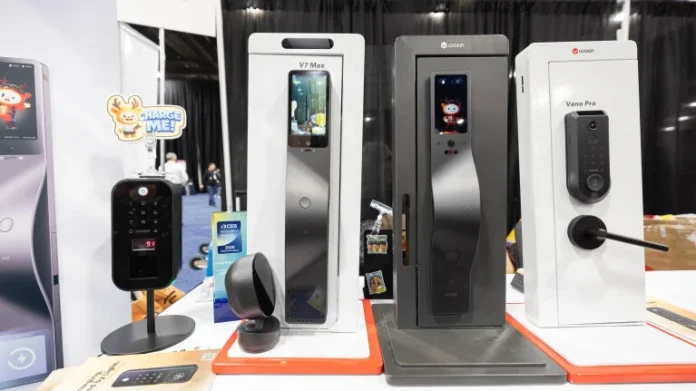
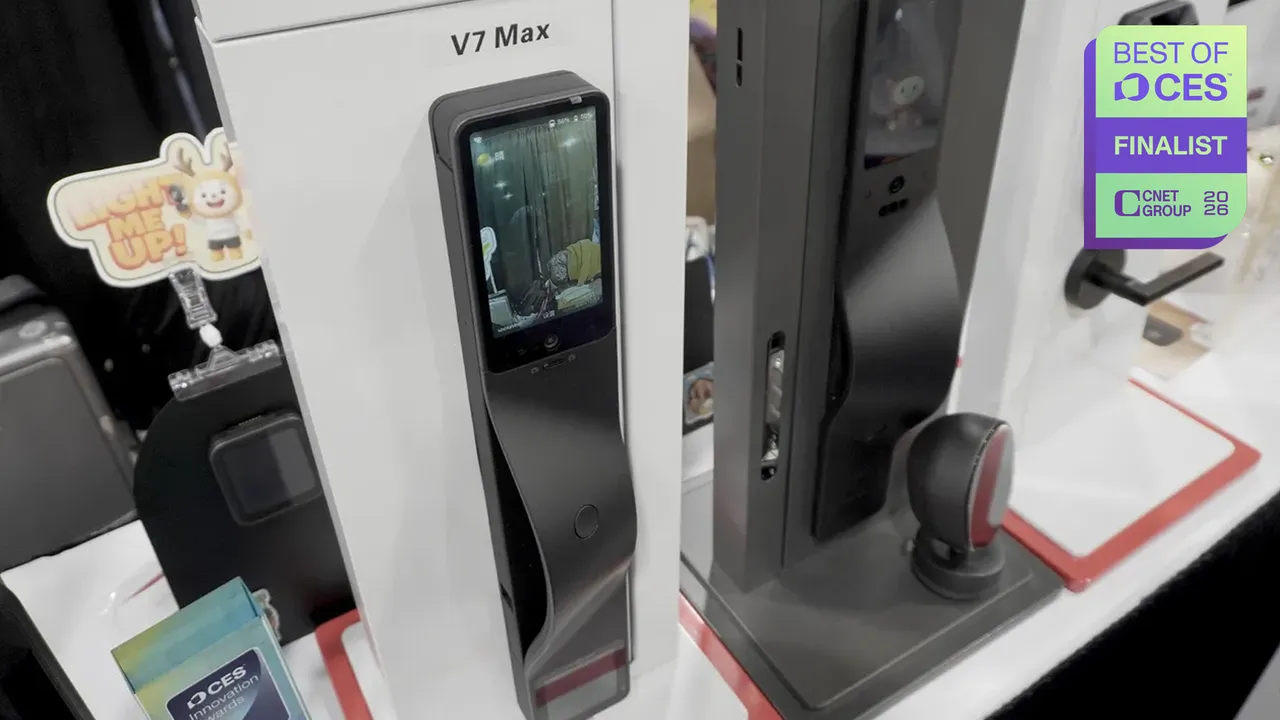
PCMag nominates the Lockin V7 Max for Best of CES and details its power trick:
AuraCharge wireless optical charging.
Plug a transmitter within 13 ft of the lock.
Eye-safe IR beams hit a receptor on the inside escutcheon.
Two global safety certs back the “eye-safe” claim.
Engadget confirms the same IR-beam trick for both the flagship V7 Max and a cheaper Veno Pro model.
Why optical charging is bigger than it sounds
Qi pads need touching; AuraCharge works across a doorway:
13-ft range—no pad, no dock, no alignment.
Trickle-maintenance goal: keep the cell topped so you never think about it.
If real-world range and efficiency hold, it kills the #1 smart-lock failure mode: battery neglect.
You’re buying a lock + video doorbell + biometric terminal—i.e., a big security surface.
The trade-off: convenience expands attack surface
Always-powered is great—until it’s always-powered for attackers too. Ask before you buy:
Local or cloud processing for video/biometrics?
Can recording be disabled while locking still works?
Is an account mandatory?
Security-patch cadence and support window?
Coverage hasn’t answered these yet; insist on answers before pre-ordering.
Price and the “realistic buyer”
Lockin told PCMag the V7 Max could hit $1,300 when it ships this summer; AuraCharge will also appear on a $350 Veno Pro. That positions the Max for:
security-first homeowners,
premium smart-home enthusiasts,
short-term rental hosts who need 100 % uptime.
The cheaper model matters—optical charging has to drop below flagship pricing to become a standard, not a luxury flex.
Bottom line
Lockin V7 Max isn’t interesting because it adds another unlock method—it’s interesting because AuraCharge tries to erase the maintenance tax that keeps smart locks from feeling truly smart. If the IR power link stays reliable and security defaults are tight, this could be the most influential smart-home idea out of CES 2026.
Robot vacuums are “smart” in the sense that they map rooms, avoid obstacles, and schedule cleanings. But they remain fundamentally limited by one primitive constraint: gravity and stairs.
For multi-story homes, a robovac often becomes:
a single-floor helper (usually the most-used level), or
a device you manually relocate like a fancy broom with a battery.
That’s why stair-climbing robovacs show up every CES in concept form. Most never become a product you can imagine trusting around furniture, kids, and pets.
What Roborock showed at CES 2026
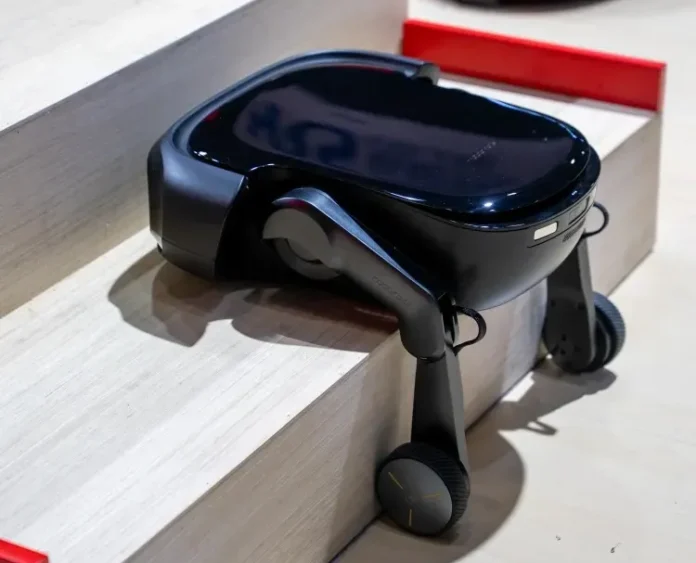
PCMag highlights the Roborock Saros Rover as a standout smart-home product precisely because the “robot legs” approach provides “a distinct usability advantage” over typical robovacs: it can climb stairs and clean as it climbs.
PCMag’s on-the-floor description is unusually specific:
The legs operate independently, raising and lowering each side as needed.
They help the vacuum clear obstacles and navigate slopes.
While climbing steps, one leg stays on the step below as a brace while the rest of the vacuum slides along to clean the staircase.
Engadget’s CES roundup also notes Roborock’s approach: the Saros Rover pushes itself upward on extendable legs to reach higher floors, and those legs can help it raise itself over obstacles on floors too.
Why “legs” are more than a gimmick
Robovac add-ons often chase novelty: a mop pad here, a small arm there. PCMag explicitly contrasts the Saros Rover legs with last year’s arm trend, suggesting legs are more directly useful.
That tracks with real homes:
Thresholds, toys, low furniture edges, and uneven rugs are daily annoyances.
Stairs are the “hard boundary” that prevents full-home automation.
If a robovac can reliably climb and descend stairs, it changes the product category from “single-floor cleaner” to “home cleaning system.”
Practical implications: mapping, safety, and trust
A stair-climbing robovac isn’t just a vacuum with a new mechanical part. It needs:
Stair detection that fails safe: a fall down a staircase isn’t just a broken vacuum; it can damage walls, injure pets, or cause noise at night.
Navigation confidence: the device needs to know not only where it is, but what it’s standing on, and how stable each move will be.
Cleaning strategy: cleaning stairs is different from cleaning a flat floor. The geometry changes and so does debris behavior.
The most convincing part of PCMag’s report is the “clean as it climbs” detail. That implies this is not merely “transit legs” that carry a vacuum between floors; the cleaning function remains central.
Who this is for (and who should wait)
Best fit:
Homes with 2+ floors where the vacuum already “earns its keep” on one floor.
People with mobility limitations who benefit from not carrying a vacuum up and down.
Busy households where the biggest pain point is coverage, not suction.
Wait-and-see:
Households with narrow stairs, delicate stair runners, or cluttered landings.
Anyone who wants proven reliability before paying early-adopter pricing.
As with many CES devices, pricing and wide availability are often the missing pieces at show time. The key is whether Roborock can productize this without making it fragile or prohibitively expensive.
Bottom line
Roborock Saros Rover is one of those CES announcements that’s easy to overhype—but it targets the most meaningful unmet need in robovacs: multi-floor autonomy. If real-world reliability holds up, this is the first time “stair-climbing robot vacuum” feels like more than a demo trick.
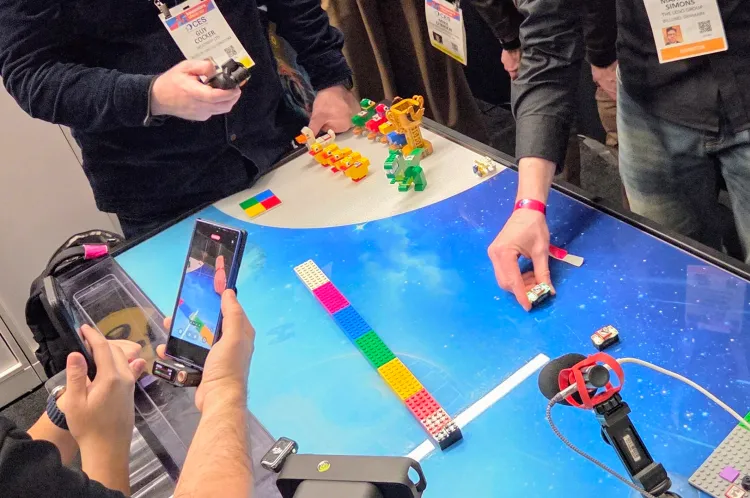
Lego’s Smart Brick is a standard-sized brick with embedded electronics—sensing motion/orientation and playing contextual audio—designed to make physical play react in real time to what kids *actually do*, not just what an app tells them to do. Bravo Lego!
What was announced (and what’s actually new)
CES is full of “toy-tech” concepts that look flashy in a demo and disappear. Lego’s Smart Brick is different because it’s built around a simple but powerful idea:keep the play physical, keep the logic inside the bricks, and let interaction emerge from how kids build and move things.
According to Engadget’s CES roundup, Lego introduced the Smart Brick as a standard-sized brick with a 4.1mm ASIC chip inside, built to respond differently depending on the set and how you’re building it. Lego describes a “Play Engine” and integrated copper coils that allow each brick to sense motion, orientation, magnetic fields, and its relationship to other Smart Bricks, including distance and direction. Each brick also contains a tiny speaker for audio that’s “tied to live play actions,” not just pre-recorded clips on a timer.
The Verge’s CES live hub also highlights the Smart Brick as a standout of the show, calling it “electronics-packed,” and links out to deeper coverage and demos.
Why this matters: toy “interactivity” usually cheats
Most interactive toys are either:
1) App-first (the phone drives the story; the toy is a prop), or
2) Trigger-based (press a button; a sound plays; repeat).
Smart Brick pushes toward a third model: system-based play, where the toy reacts to state—how pieces are arranged, moved, oriented, and combined. That’s a much closer match to why Lego works in the first place: kids already treat a Lego build like a programmable world, even without screens. If Lego can keep this reliable and affordable over time, Smart Brick becomes a platform for: – richer role-play (audio and interaction that follows the story the kids invent), – cooperative building (two kids’ builds “talk” to each other), – accessibility (audio cues can support kids who prefer auditory feedback), – and eventually, creator ecosystems (custom behaviors, if Lego opens any portion of the system).
How it works (as described so far)
From Engadget’s reporting:
–Sensors & awareness:
Bricks sense motion and orientation, plus magnetic fields, and can detect their relationship to other bricks.
– Audio: each brick includes a speaker to play context-aware sound.
– Context objects: Lego pairs Smart Bricks with Smart Tags and Smart Minifigures that help bricks understand the “meaning” of what they’re doing in a build.
– Local wireless layer: Lego calls the local layer “BrickNet”, which helps smart components coordinate in real time.
That local-network detail is quietly important: “smart” toys too often default to cloud connectivity for basic behaviors. A local layer suggests Smart Brick can remain responsive even without Wi‑Fi (though Lego hasn’t fully specified what requires connectivity and what doesn’t).
The first Smart Play sets (pricing and what you get)
Engadget reports the first Smart Play partner is Star Wars, launching three all-in-one sets built around Smart Bricks, Smart Tags, and Smart Minifigures:
– 473-piece Darth Vader TIE Fighter $70
– 584-piece Luke’s Red Five X-Wing $100
– 962-piece Throne Room Duel & A-wing $160
These sets include audio effects like lightsaber swooshes, fighter sounds, and the Imperial March.
What a “Smart Brick” could do for learning (without turning into homework)
A lot of edtech mistakes “more tech” for “more learning.” Lego has historically been good at the opposite: *hide the complexity and let kids pull it out naturally.* If Smart Brick stays faithful to that, it can support:
– Cause-and-effect reasoning: “When I rotate this, what happens? What if I move it closer?”
– Systems thinking: behaviors emerge from multiple components interacting.
– Iterative design: kids will naturally rebuild to get different reactions.
– Cooperative play: shared worlds that respond differently depending on who’s doing what.
Crucially, it does this without requiring kids to “code” at age six just so a toy can blink. The “coding” is embedded in how the toy perceives state and emits feedback.
Real-world concerns: durability, battery, and “toy creep”
Because Lego’s Smart Brick is electronics inside a standard-sized brick, there are three practical concerns you should watch as the product reaches homes:
1) Durability & failure modes: Lego bricks are famously durable. Electronics change that equation. What happens after a drop, a bath, or a lost piece?
2) Power & longevity: Smart behavior implies power. Lego hasn’t emphasized battery details in the coverage above; it’s a major question for parents.
3) Privacy: even if BrickNet is local, some companion features may still go online. Parents will want clarity on whether microphones, accounts, or recordings are involved (the Smart Brick itself is described as having a speaker; the articles above don’t describe a mic in the brick).
Bottom line
Lego Smart Brick is notable because it aims to make physical play itself the interface—no “scan this with your phone” gimmicks required. If Lego keeps behaviors local, batteries sane, and the platform extensible across themes, Smart Brick could become one of the few CES “future toys” that actually changes what kids expect from a toy.