


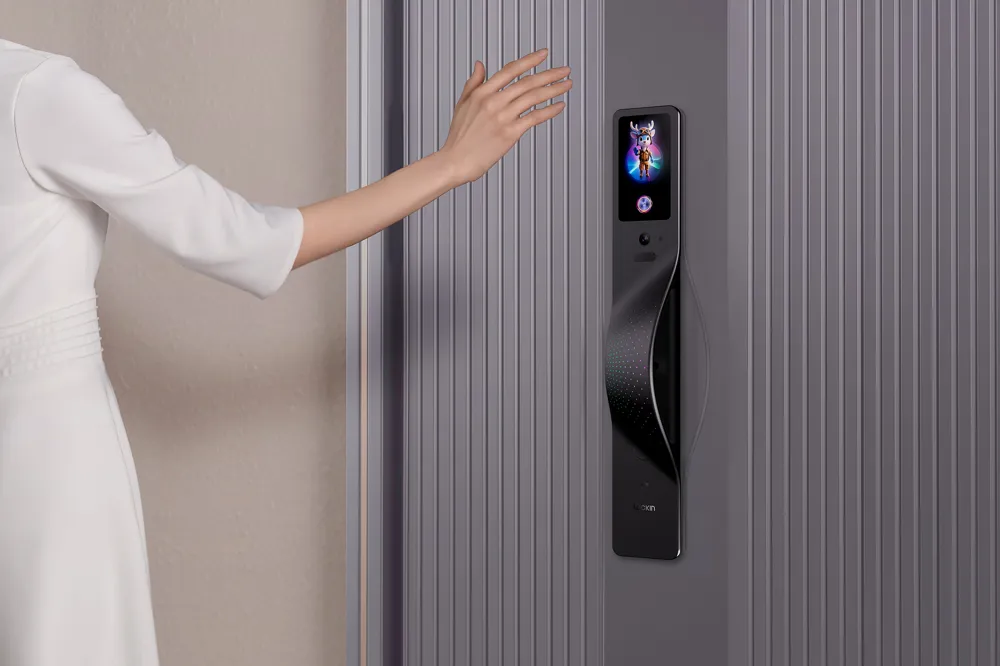
CES 2026 Έξυπνες Κλειδαριές: Η στροφή προς την είσοδο στο σπίτι χωρίς χέρια
Trendline: CES 2026 makes one thing clear: smart locks are moving beyond “phone unlock” and toward truly hands-free entry—while trying to stay secure, auditable, and family-friendly.
What “hands-free” really means in 2026
Hands-free entry doesn’t just mean unlocking without a key. It’s a bundle of improvements:
- Smarter presence detection: recognizing when an authorized person is near the door
- Better alerts: fewer noisy notifications; more relevant “this matters” events
- Cleaner integrations: locks that actually cooperate with lights, cameras, and alarms
- Reliability upgrades: faster response, longer battery life, clearer status indicators
The security tradeoff: convenience vs control
Every time a lock becomes “easier,” it risks becoming “looser.” The best direction at CES 2026 is not unlocking by default, but unlocking intelligently—paired with strong fallback options and transparent logs.
Look for these features to separate serious locks from flashy demos:
- Activity logs: who unlocked and when
- Granular permissions: temporary codes for guests, deliveries, cleaners
- Two-factor for critical changes: especially for adding new users
- Offline operation: lock should still work even if Wi‑Fi goes down
Matter and interoperability: what to watch
As Matter adoption grows, buyers increasingly expect a lock to work across ecosystems. The question isn’t only “Does it support Matter?” but “Which features are exposed through Matter vs locked to a vendor app?”
Practical advice: If you care about cross-platform control, confirm which functions work in your preferred platform (Google, Apple, Amazon, Samsung) and which require the manufacturer’s app.
Buying checklist for 2026
- Power strategy: how it alerts you before battery dies
- Physical override: key backup or protected emergency method
- Auto-lock behavior: configurable delay + geofencing options
- Weather resistance: especially for exposed doors and humid climates
Bottom line: CES 2026 smart locks are getting more seamless, but the best products are the ones that keep the user in charge—through logs, permissions, and predictable behavior.