

CES 2026 Φορετές Συσκευές: Νέοι Αισθητήρες, Καλύτερες Πληροφορίες και το Ερώτημα για τα Δεδομένα
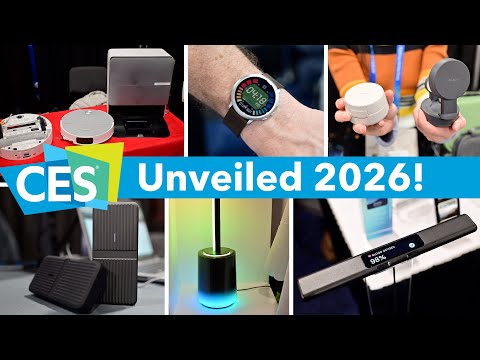
CES 2026 continues the wearable industry’s two-speed evolution: hardware is getting better (more sensors, better battery, more comfort), but the real battleground is interpretation—how devices turn raw signals into health insights you can trust.
What’s changing in wearable health at CES 2026
Across announcements and demos, three themes dominate:
- Sensor expansion: more physiological signals captured throughout the day
- Context-aware metrics: fewer “generic scores,” more tailored interpretations
- Coaching loops: insights that connect to habits (sleep, stress, training load)
Accuracy: the uncomfortable truth
Wearables can be extremely useful, but they’re not all equal. A feature list is not a medical claim. The important questions for any CES 2026 wearable are:
- How was the metric validated?
- On which demographics and skin tones?
- How does it behave during motion (gym, running, cycling)?
- What are the known failure cases?
Rule of thumb: the more serious the health claim, the more you should demand transparent validation and cautious language.
Privacy and ownership: health data is the product
Health signals are deeply personal. If a wearable is “free” or heavily discounted, it may be monetizing data indirectly. Even paid devices can share data across vendor ecosystems. Before buying, check:
- Export options: can you download your data?
- Retention: how long data is stored
- Sharing: whether data is used for ads, research, or partners
- Account security: 2FA availability
Who should upgrade in 2026?
If your current wearable already tracks heart rate, sleep, and workouts reliably, the biggest reason to upgrade is not “one more sensor” but better comfort, battery life, and insight quality. If a new CES 2026 wearable promises major improvements, wait for independent testing.
Bottom line: CES 2026 is accelerating wearable health tech, but the smartest buyers focus on validation, privacy, and long-term software support—not hype.